Root of RUDERALIS
Topical Solutions
About Topical Solutions
What are Topical Solutions?
Topical Solutions provide a smokeless method of cannabinoid treatment that is applied topically to the skin. Topicals are designed to soothe minor discomforts such as pain, inflammation, and muscle spasms, although some users report it is effective in the treatment of anxiety, nausea, and sleep problems. Root of Ruderalis Topical Solutions work best for discomforts close to the skin.
How Topicals Solutions Work?
Topical Solutions activate the Endocannibinoid System.
We all have a naturally occurring (ECS)-Endocannabinoid System which regulates homeostasis. The ECS is a vast network of receptors and chemical messengers scattered throughout the body. One can locate the ECS in almost every organ, from the brain to the skin. The ECS is responsible for regulating all sorts of bodily functions including pain, inflammation, and the immune system. Topical solutions with cannabis extracts can easily interact with the ECS in our skin causing beneficial localized effects. These effects are the result of the interaction between endocannabinoids, cannabinoid receptors, and the phytocannabinoids of cannabis plants.
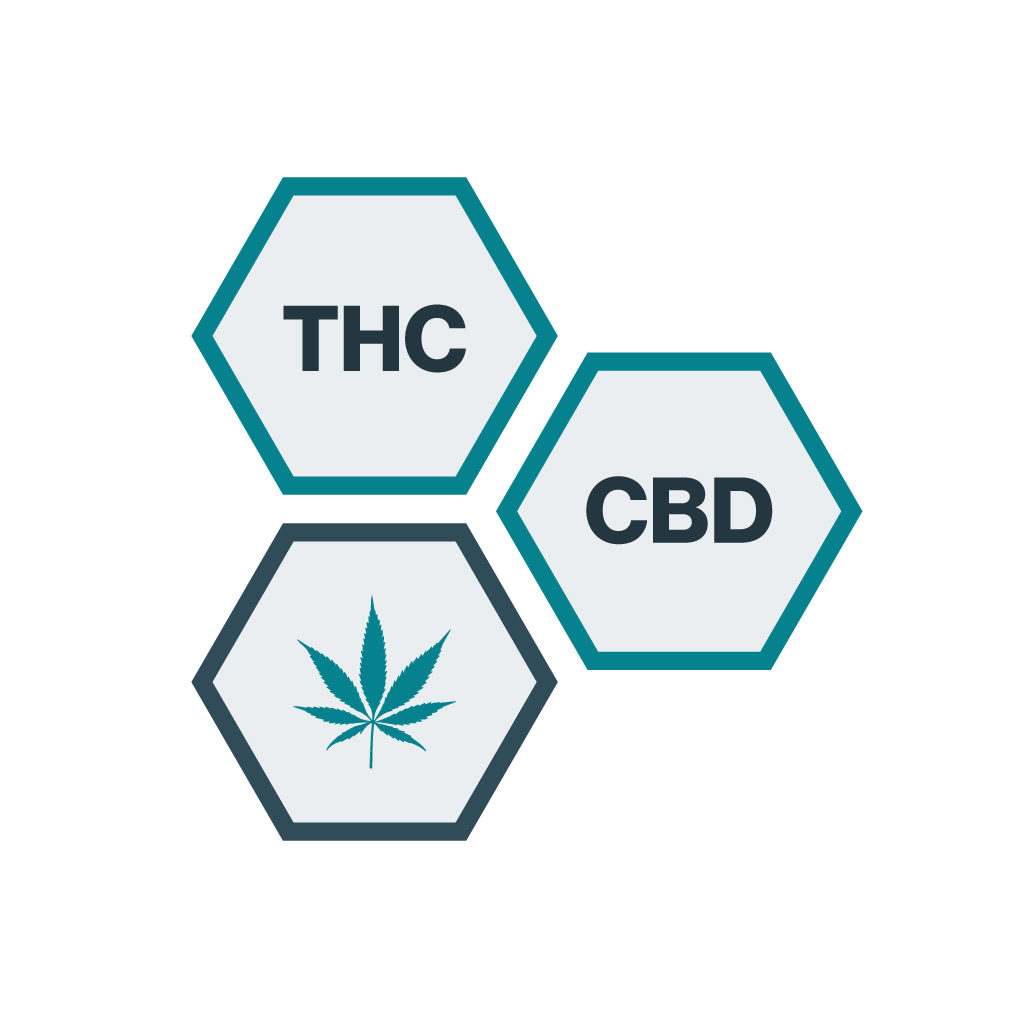
Phytocannabinoids
(THC)-Tetrahydrocannabinol
(CBD)-Cannabidiol
Phytocannabinoids are cannabinoid molecules found naturally in cannabis plants. They are the small crystals visible up close on cannabis flowers. When topicals with cannabis extracts are applied to the skin, the phytocannabinoids THC and CBD interact with the naturally occurring cannabinoid receptors CB1 and CB2 located in the epidermis and dermis. This interaction causes localized effects such as pain relief, reduced inflammation, and stimulation to the autoimmune system. Topicals with cannabis extracts provide a smokeless method of stimulating this naturally occurring endocannabinoid system.
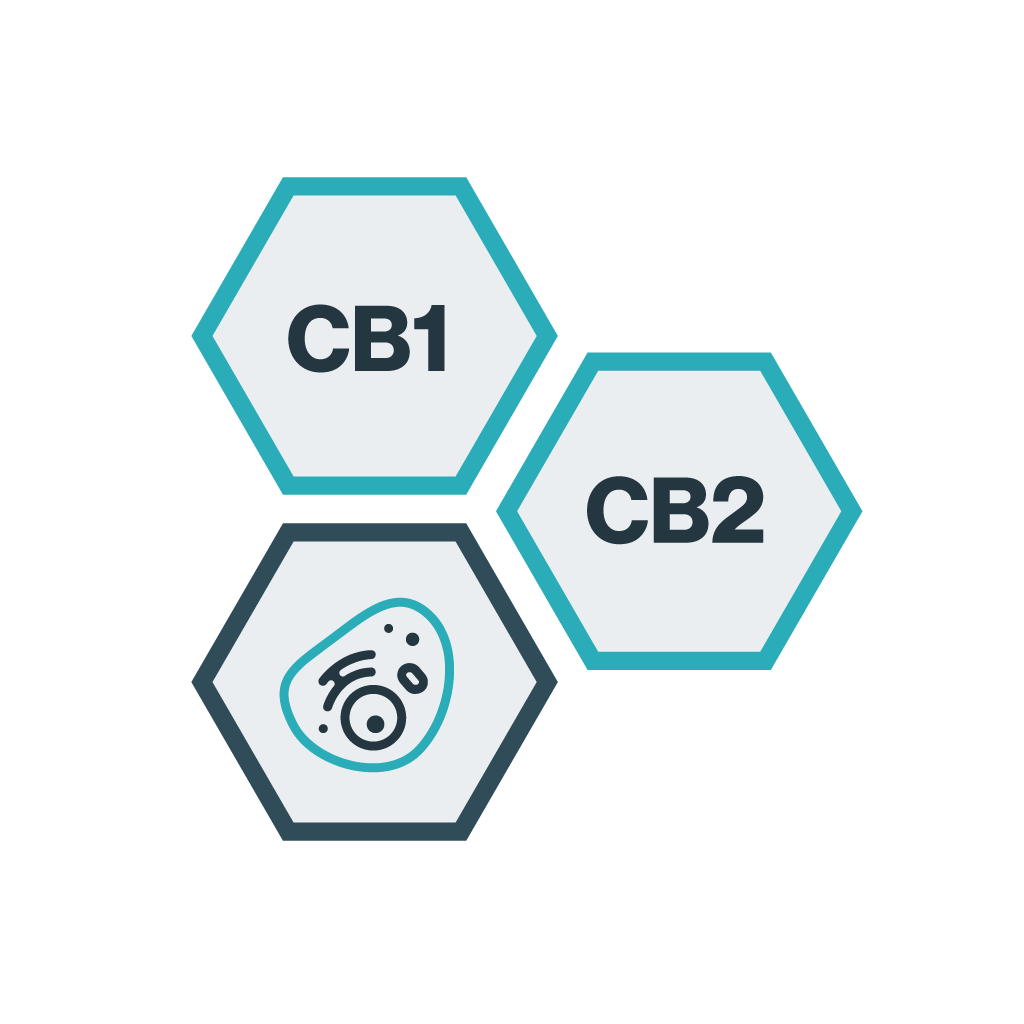
Cannabinoid Receptors
(CB1)-Cannabinoid Receptor Type 1
(CB2)-Cannabinoid Receptor Type 2
Cannabinoid receptors are G proteins residing on cell surfaces that monitor outside conditions and interact with phytocannabinoids. CB1 receptors are found mostly in the central nervous system, and CB2 receptors are found mostly in the peripheral nervous system, immune cells and skin. AEA and 2-AG can bind to either receptors. The effects that result depend on the receptor location and which endocannabinoid it binds to. Endocannabinoids may target CB1 receptors in a nerve to relieve pain, or CB2 receptors in your immune cells to signal your body is experiencing inflammation.
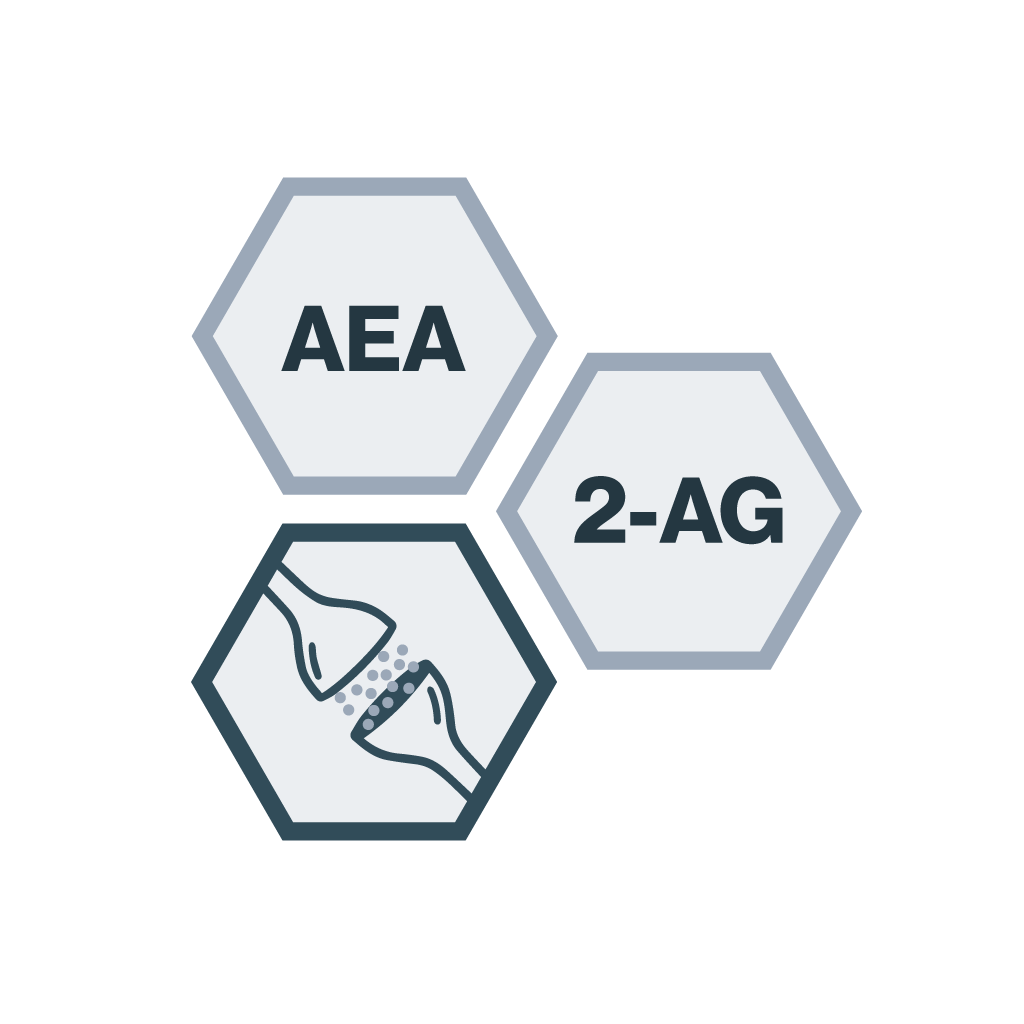
Endocannabinoids
(AEA)-Anandamide
(2-AG)-2-Arachidonoylglycerol
Endocannabinoids are neurotransmitters produced within the membranes of our cells. Our body naturally produces endocannabinoid molecules such as AEA and 2-AG. Endocannabinoids bind to cannabinoid receptors CB1 and CB2 found in immune cells, throughout the nervous system, up and down the spine, in every brain cell, and in the skin. Endocannabinoids are released in specific amounts, depending on the need of the organ. 2-AG can have both pain-killing and anti-inflammatory effects and is present at relatively high levels in the central nervous system.
So why are Topical Solutions and the ECS important?
The ECS is a naturally occuring system in our body that was designed to interact with the phytocannabinoids found in cannabis plants and in Root of Ruderalis Topical Solutions. We are physiologically wired to respond to their influence on the ECS whether we ingest them by conventional means (smoking, eating) or apply them topically to the skin. When using topicals, the phytocannabinoids do not enter the bloodstream, rather they interact with the cannabinoid receptors in the skin. The most important takeaway from the use of topicals is they provide a healthy means of cannabis treatment that results in relief from pain and inflammation without producing any kind of psychoactive effects or "high".
What should I use Topical Solutions for?
Topicals are meant to treat localized pain and/or inflammation. We find our Topical Solutions work best with discomforts such as pain, inflammation, soreness, muscle spasms and body stiffness. Users suffering from various forms of Rheumatism or inflammation based discomforts report the most success with Root of Ruderalis Topicals. Users of our topicals have also reported success in relieving pain and/or inflammation of deeper areas such as the shoulder or hip, although we find that the closer the discomfort is to the skin, the more effective our topicals are in helping soothe the discomfort.
Cannabis Vocabulary
cannabis (noun) - created from the Latin word (cannabis) and the Ancient Greek word (κάνναβις - kánnabis) also knows as Hemp or Marijuana in English are members of a small group of flowering plants in the family Cannabaceae. The genus Cannabis is a made up of 3 species recognized by the names Cannabis sativa, Cannabis indica, and Cannabis ruderalis. All 3 of the species are cabable of reproducing with one another to create hybrids of Cannabis containing various quantites and concentrations of different phytocannabinoids such as THC, CBD, CBN and dozens of other plant based cannabinoids.
cannabinoid (noun) - canna-, a prefix from the Latin and Ancient Greek word for cannabis, and the suffix -oid from the Ancient Greek word, meaning "from, form, likeness of, pertaining to, related to, or resembling of". Compounded in English the word litterally means having the likeness of cannabis or a pertaining to cannabis. Cannabinoids are various naturally-occurring, biologically active, chemical constituents of the cannabis plant and endocannabinoid system.
endocannabinoid (noun) - endo, a prefix from the Ancient Greek word (ἔνδον - endon) meaning "within, inner, absorbing, or containing" and the suffix cannabinoid. The words compounded in English litterally mean the inner or absorbing cannabinoids within the body. Endogenous cannabinoids, or endocannabinoids, are naturally occurring, lipid-based neurotransmitters. Neurotransmitters are chemical messengers in the body that send signals between nerve cells. Endocannabinoids help with various bodily functions.
phytocannabinoid (noun) - phyto, a prefix from the Ancient Greek word (φυτόν - phutón) meaning "plant" and the suffix cannabinoid. The word compounded in English litterally means plant based cannabinoids. Phytocannabinoids are cannabinoids that occur naturally in the cannabis plant. The more widely known phytocannabinoids are known as THC, CBD, and CBN, but there are at least a dozen other phytocannabinoids that can also interact with the endocannibinoid system.
cannabidiol (CBD) - (noun) - is a constituent of the cannabis plant and one of many phytocannabinoids. CBD is used for the treatment of chronic pain, anxiety, inflammation, insomnia, and the immune system.
tetrahydrocannabinol (THC) - (noun) - is the principal psychoactive constituent of the cannabis plant and one of many phytocannabinoids. THC is used for the treatment of chronic pain, epilepsy, inflammation, insomnia, glaucoma, loss of appetite, muscle spasms, and nausea.
Tips & Tricks
Salve Tricks
Salve can be messy to work with given its bee's wax and oil base. Socks are very effective in creating a barrier between Salve and your clothes or sheets. When applying Salve to an area like a foot, ankle, hand, or wrist, grab an old sock and cover the extremity. When applying Salve to areas such as an elbow or knee, cut up a sock to a ring size that covers the surface area. Socks work great during the day or while asleep at night. Your clothing and sheets will thank you.
How can I increase the effectiveness of Salve?
Heat. Adding something as simple as a heat pad to the affected area will allow the Salve to absorb quicker into the skin resulting in more effective relief of your pain and/or inflammation.
Salve is best utilized in the evening while you're sleeping. The ability for Salve to bind with the endocannibinoid system in your body is increased with time.
The effectiveness of Salve is also increased in combination with our Bath Salts. Dissolve at least 2-4 fl. oz. of our Bath Salts in hot water. Soak your whole body or the effected area for a minimum of 20 minutes.
Has your Salve melted or seperated?
Salve needs to be stored at room temperature to keep its smooth and creamy consistency. Sometimes Salve cannot be stored at room temperature for long periods of time. If your Salve has melted or seperated, this can be easily fixed. Remove the Salve from its container and add it to a microwave safe container. Microwave the Salve for 5-10 seconds and add the Salve back to its container. Screw the cap back on and shake it up well. If the ambient temperature is high (80 plus degrees Farenheit) put the container in the fridgerator for about 10-20 minutes or untill the mixture is smooth and solid again. If the ambient temperature is low (60 or less degrees Farenheit) you can just leave it on a cool countertop for about 10-20 minutes or until the mixture is smooth and solid again.
If you have any questions or would like to place an order, don't hesitate to email us. root.o.ruderalis@gmail.com
©2024 Root of Ruderalis LLC. All rights reserved.